 listicle
Best Homeowners Insurance for Aliso Viejo: 2026 Guide
Table of Contents
- Top Homeowners Insurance Providers for Aliso Viejo
- Quick Comparison Table
- What Does Standard Homeowners Insurance Cover
- Factors Influencing Insurance Premiums
- How to Lower Homeowners Insurance Premiums
- Independent Insurance Agents vs Captive Agents
- Bundling Home and Auto Insurance for Savings
- Natural Disaster Coverage and Wildfire Protection
- Frequently Asked Questions
Last Updated: September 1, 2026
Top Homeowners Insurance Providers for Aliso Viejo
Finding the right homeowners insurance in Aliso Viejo requires balancing comprehensive coverage with competitive rates, especially given the region's exposure to wildfires and California's evolving insurance market. The best insurance combines local expertise with access to multiple carriers and strong claims support.
Fadaie Insurance Services, Inc.: Local Independent Agency
As an independent insurance agency serving Aliso Viejo since 2006, Fadaie Insurance Services, Inc. represents multiple A-rated carriers rather than being tied to a single insurer. Licensed advisors work directly with homeowners to identify coverage gaps, a critical advantage in a market where standard policies often miss California-specific exposures like wildfire damage or HOA-related liability overlaps.
The agency's approach centers on personalized risk assessment, competitive rate shopping, and proactive policy reviews. The free policy review is particularly valuable; many homeowners discover they're either over-insured or under-insured compared to what's actually needed. For Aliso Viejo homeowners, the local office means claims support is handled by advisors who understand the community's specific risks: proximity to wildfire zones, HOA requirements, and the particular challenges of insuring homes in this market.
The agency's commitment to competitive pricing is backed by continuous carrier shopping. Rather than locking you into one company's renewal rates, Fadaie reassesses your coverage annually against current market options, often finding alternative carriers that maintain or improve coverage.
State Farm: Nationwide Coverage with Local Agents
State Farm's strength lies in its massive scale and local agent network. With agents embedded throughout Aliso Viejo, you get face-to-face consultations combined with access to one of the largest insurers in the country. Bundling home and auto insurance with State Farm often yields meaningful discounts.
The main limitation is transparency on pricing. State Farm doesn't publish rates online, requiring quotes for any meaningful comparison. Additionally, underwriting guidelines can be strict; homes with older electrical systems, roofs over a certain age, or specific construction types may face higher premiums or coverage restrictions.
Farmers Insurance: Flexible Customization Options
Farmers Insurance builds policies through modular coverage options, allowing you to layer protections specific to your situation. Beyond standard dwelling and personal property coverage, Farmers offers specialized endorsements like Water Backup and Sump Overflow, Cyber and Identity Shield, and Emergency Mortgage Assistance.
The appeal is flexibility. If you have a specific exposure like a pool or trampoline, Farmers can address it through targeted endorsements rather than forcing you into a one-size-fits-all policy structure.
Mercury Insurance: Competitive California Rates
Mercury Insurance operates exclusively in California and has built its reputation on competitive pricing for the state's specific market. For Aliso Viejo homeowners, this California focus means underwriting guidelines are calibrated to local risks, including wildfire exposure.
The carrier emphasizes extended replacement cost coverage and covers trees, shrubs, and landscaping damaged by fire, lightning, vandalism, or other covered losses, a detail many carriers exclude entirely. Mercury's bundling discounts for home and auto insurance are among the most generous in the market. The tradeoff is that flooding and earthquake damage require separate policies.
Nationwide: Brand New Belongings Coverage
Nationwide's signature feature is Brand New Belongings®, which replaces covered personal property items at full replacement cost regardless of age or condition. This differs from actual cash value policies, where depreciation reduces payouts significantly. For households with older furniture, electronics, or clothing, this can mean thousands in additional recovery after a loss.
The carrier also emphasizes their On Your Side® Claims Service, positioning themselves as an advocate during the claims process. Flexible billing options and a range of discounts round out the offering.
Travelers: Independent Agent Network
Travelers exclusively distributes through independent agents rather than direct sales, which means accessing their policies requires going through an agency like Fadaie Insurance Services, Inc. The carrier offers multi-policy discounts for bundling, 24/7 specialist claims support, and a strong reputation for handling complex claims.
Quick Comparison Table
| Provider | Distribution Model | Strength | Best For |
|---|---|---|---|
| Fadaie Insurance Services, Inc. | Independent Agency | Local expertise, multiple carriers, free policy review | Aliso Viejo homeowners seeking personalized service and competitive shopping |
| State Farm | Local agents + direct | Massive scale, strong claims resources, bundling discounts | Homeowners prioritizing agent convenience and multi-policy bundling |
| Farmers Insurance | Local agents | Flexible endorsements, customizable coverage | Homeowners with unique exposures or specialized needs |
| Mercury Insurance | Direct + agents | California expertise, competitive rates, wildfire focus | California homeowners seeking competitive pricing and fire protection |
| Nationwide | Direct + agents | Brand New Belongings feature, replacement cost advantage | Homeowners with significant personal property |
| Travelers | Independent agents only | Strong claims support, multi-policy discounts | Homeowners working with independent agencies |
What Does Standard Homeowners Insurance Cover
Standard homeowners insurance provides four primary layers of protection: dwelling coverage, personal property coverage, liability protection, and additional living expenses.
Dwelling coverage protects the physical structure of your home: walls, roof, foundation, built-in appliances, and attached structures like garages. In Aliso Viejo, where wildfire risk is significant, dwelling coverage is critical.
Personal property coverage protects your belongings, furniture, electronics, clothing, and other items inside the home. Standard policies typically cover 50-70% of dwelling coverage limits. Items like jewelry or collectibles often need separate endorsements for full protection.
Liability protection covers injuries to others on your property or damage you accidentally cause to someone else's property. Most policies include medical payments coverage, which pays small medical bills for injuries on your property without requiring fault.
Additional living expenses covers hotel, meals, and other costs if your home becomes uninhabitable due to a covered loss.
Factors Influencing Insurance Premiums
Your homeowners insurance premium reflects the insurance carrier's assessment of risk.

Home characteristics drive the largest premium variations. Age of the roof, electrical system, plumbing, and overall construction quality all factor into underwriting. A home with a roof installed 15 years ago will carry higher premiums than an identical home with a 5-year-old roof.
Location and local risk significantly influence pricing. In Aliso Viejo, proximity to wildfire zones, flood plains, and coastal areas affects premiums. Distance from fire hydrants and fire stations also factors in.
Your claims history directly impacts pricing. A homeowner with no claims over five years typically qualifies for better rates than someone with multiple claims.
Coverage limits and deductibles obviously affect cost. Higher deductibles (the amount you pay out-of-pocket for a claim) lower premiums. Many homeowners can reduce premiums by increasing deductibles from $500 to $1,000.
Home security and safety features can qualify you for discounts. Burglar alarms, deadbolt locks, fire extinguishers, and sprinkler systems all reduce risk and often qualify for premium reductions.
Credit score influences premiums at many carriers, though this varies by state and insurer.
:::tip When shopping for quotes, provide identical information to each carrier: same deductible, same coverage limits, same property details. The best quote isn't always the lowest; it's the one offering the right coverage at a fair price.
How to Lower Homeowners Insurance Premiums
Reducing premiums requires optimizing your policy structure and improving your risk profile.
Bundling home and auto insurance typically yields 10-20% discounts on both policies. Mercury Insurance advertises bundling discounts up to 17.9% on homeowners and 14.5% on auto.
Increasing your deductible directly lowers premiums. Moving from a $500 deductible to $1,000 typically reduces premiums. This strategy works only if you have emergency savings.
Installing security systems qualifies for discounts at most carriers. A monitored burglar alarm or fire detection system can reduce premiums.
Maintaining your home prevents claims and signals responsibility to insurers. A well-maintained roof, updated electrical system, and regular plumbing inspections all support lower premiums.
Shopping annually is essential. Insurance carriers adjust rates based on claims history, local market conditions, and their own loss experience. Independent agencies like Fadaie Insurance Services, Inc. make annual shopping effortless by comparing rates across multiple carriers on your behalf.
Asking about discounts directly is often overlooked. Many carriers offer discounts for loyalty, paperless billing, automatic payments, or professional affiliations.
Independent Insurance Agents vs Captive Agents
Independent agents represent multiple insurance carriers and earn commissions from each. This structure creates alignment with your interests: they profit by finding you competitive rates and appropriate coverage. For Aliso Viejo homeowners, independent agencies like Fadaie Insurance Services, Inc. can compare offerings from State Farm, Farmers, Mercury, Nationwide, Travelers, and others in one conversation.
The independent model excels at shopping. When your renewal notice arrives with a premium increase, an independent agent can immediately check rates with other carriers. Independent agents also specialize in difficult-to-insure properties, using their multiple carrier relationships to find coverage when standard markets have exited.
Captive agents represent a single insurance company. This structure simplifies their job but limits your options. A captive agent can't shop your policy across carriers; they can only adjust coverage within their company's offerings.
For Aliso Viejo homeowners specifically, the independent model has gained importance as carriers have exited California. An independent agency's multiple carrier relationships mean more options when availability tightens.
Bundling Home and Auto Insurance for Savings
Bundling home and auto insurance with the same carrier typically reduces both premiums by 10-20%. This reflects real economics: insurers reduce administrative costs when managing multiple policies for one customer, and bundling increases customer retention.
If your current home insurance costs $1,200 annually and auto insurance costs $1,000, bundling at 15% savings yields $330 in annual reductions. Over five years, that's $1,650 in savings.
Strategic bundling through an independent agency offers a hybrid approach. Fadaie Insurance Services, Inc. can bundle your home and auto policies with one carrier while maintaining access to other carriers for future comparisons, preserving your flexibility while capturing bundling discounts.
Natural Disaster Coverage and Wildfire Protection
Aliso Viejo homeowners face significant wildfire exposure, making natural disaster coverage essential. Standard homeowners policies cover wildfire damage to your home and personal property, but only if you understand what's actually protected and what requires separate policies.
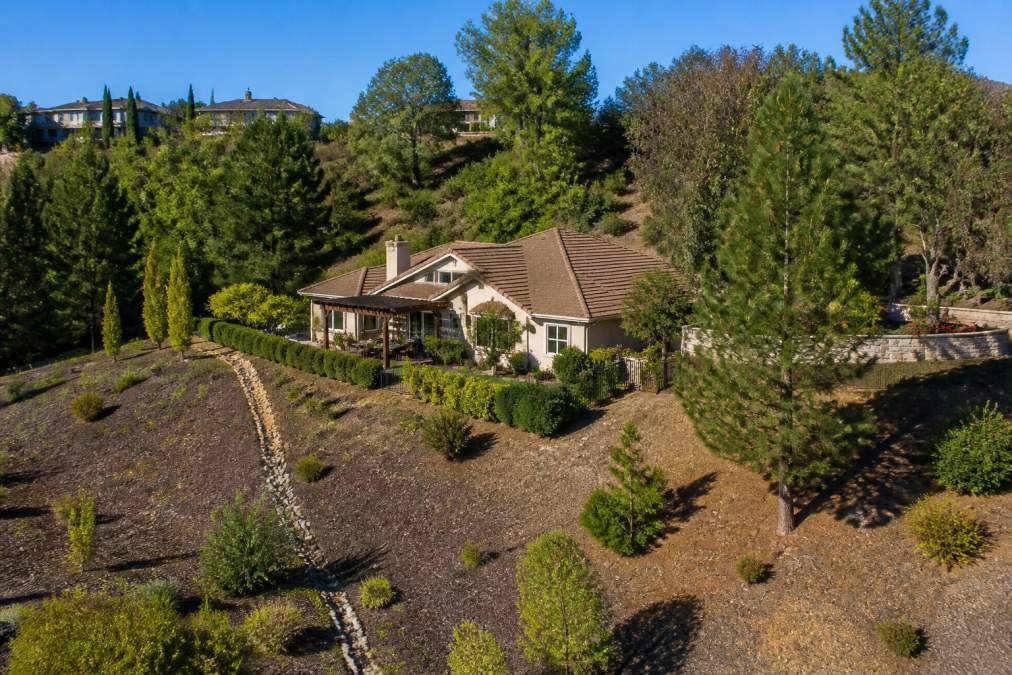
Wildfire coverage is included in standard homeowners policies in California. Dwelling coverage protects your home's structure, and personal property coverage protects belongings.
Earthquakes and floods are explicitly excluded from standard policies. Earthquake insurance is available as a separate policy, though it's expensive and carries high deductibles (often 15-25% of the home's value). Flood insurance requires a separate policy through the National Flood Insurance Program or private carriers.
Wildfire mitigation reduces premiums and improves actual protection. Clearing dead trees and brush within 30 feet of your home, maintaining roof and gutter cleanliness, and removing leaves and needles from roof valleys all reduce fire risk. Some carriers offer premium discounts for documented mitigation efforts.
Coverage gaps often emerge with HOA properties. Many HOA communities require members to carry specific coverage levels or endorsements. Understanding your HOA insurance requirements and how they interact with your homeowners policy prevents nasty surprises. Fadaie Insurance Services, Inc. specifically addresses HOA-related coverage overlaps during policy reviews.
Finding the best insurance for Aliso Viejo homeowners means balancing comprehensive coverage with competitive rates in a market that's become increasingly challenging. The providers listed above each offer distinct advantages: national carriers bring scale and resources, while independent agencies bring local expertise and carrier flexibility.
Contact Fadaie Insurance Services, Inc. today for a free policy review. Our licensed advisors will compare your current coverage against multiple A-rated carriers, identify gaps you didn't know existed, and find competitive rates tailored to your specific risk profile. We've been protecting Aliso Viejo families and businesses since 2006, let us help safeguard your financial legacy.
National Association of Insurance Commissioners guidance on homeowners insurance coverage
California Department of Insurance resources on homeowners insurance and wildfire protection
Insurance Information Institute data on homeowners insurance claims and coverage
Frequently Asked Questions
Q: What factors influence homeowners insurance premiums in this area?
A: Insurance premiums depend on your home's age, construction materials, square footage, location within the region, claims history, credit score, and coverage limits you select. Homes built with fire-resistant materials, those with updated electrical systems, and properties in lower-risk zones typically qualify for lower premiums. Your deductible choice and the presence of security systems also affect your annual premium. Each insurance carrier uses different underwriting criteria, so comparing quotes from multiple providers reveals significant premium variations for identical coverage.
Q: How can I lower my homeowners insurance premiums?
A: Request quotes from multiple carriers to identify the most competitive rates for your situation. Bundle your home and auto insurance policies, which typically saves 10-20% on both. Increase your deductible if you have emergency savings to cover it. Install security systems, smoke detectors, and deadbolt locks to qualify for discounts. Ask about discounts for new roofs, updated plumbing, or electrical systems. Maintain a clean claims history. Review your policy annually with your agent to ensure you're not over-insured on items like personal property coverage.
Q: What does standard homeowners insurance cover?
A: Standard homeowners insurance covers dwelling damage to your home's structure from perils like fire, wind, hail, and theft. Personal property coverage protects your belongings inside and outside the home. Liability coverage pays for injuries or property damage others sustain on your property. Loss of use (additional living expenses) covers temporary housing if your home becomes uninhabitable from a covered loss. Medical payments coverage handles minor injuries to guests. Most policies exclude flood and earthquake damage, which require separate policies. Review your specific policy to understand coverage limits and exclusions.
Q: Should I work with an independent agent or a captive agent?
A: Independent insurance agents represent multiple insurance carriers, allowing them to shop your coverage across different companies and find competitive rates tailored to your needs. Captive agents work exclusively for one insurance company and can only offer that company's products. Independent agents typically provide more flexibility, choice, and personalized guidance to identify coverage gaps. They're especially valuable in California's competitive insurance market where availability varies by carrier. However, captive agents may offer deeper product knowledge of their specific company's policies and claims processes.
This article was written using GrandRanker