 how-to
Why Did My Home Insurance Premium Increase?
Table of Contents
- The Most Common Reasons Your Home Insurance Premium Went Up
- The Impact of Inflation on Property Insurance Costs
- Policy-Level Factors That Quietly Raise Your Premium
- Geographic Risk Factors and State Regulatory Context
- How to Lower Homeowners Insurance Premiums Without Cutting Coverage
- How to Shop for Home Insurance the Right Way
- Frequently Asked Questions
Last Updated: August 21, 2026
The Most Common Reasons Your Home Insurance Premium Went Up
Your home insurance premium increased because carriers are repricing risk, and nearly every factor driving that repricing is getting more expensive at once. At Fadaie Insurance Services, Inc., homeowners who understand what's behind a premium hike are best positioned to respond intelligently.
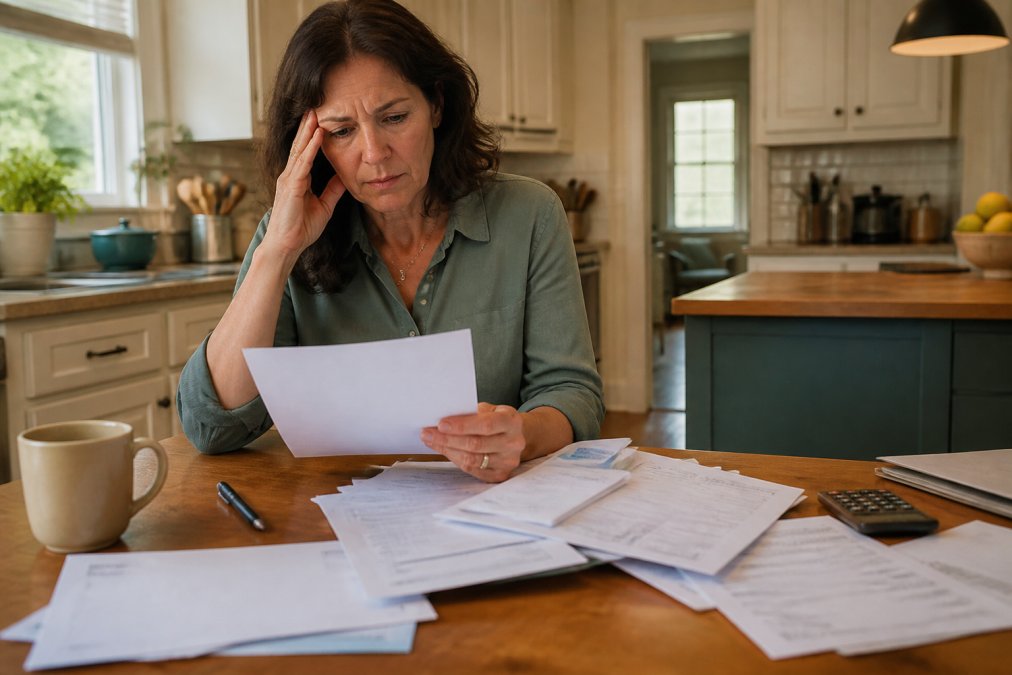
This isn't about your insurer being greedy. It's about a convergence of climate, economics, and regulatory pressure reshaping what it costs to insure a home.
Extreme Weather Events and Climate Risk
Catastrophic loss events have accelerated in frequency and severity across the country. Wildfires in the West, hurricanes along coasts, and severe storms through the Midwest produce loss totals that strain carrier reserves. When reinsurance costs climb, those costs flow directly into your renewal premium.
Climate volatility is now a core input in actuarial models. Carriers weight forward-looking geographic hazard assessments, meaning even homeowners in areas without recent disasters may see premium adjustments if their region's risk profile has shifted.
According to the National Oceanic and Atmospheric Administration's natural disaster cost tracking, the frequency of billion-dollar weather events has increased significantly over the past two decades, putting sustained pressure on insurance carrier loss ratios.
Rising Construction Labor and Material Costs
Replacement cost is the engine behind your dwelling coverage, and that engine has gotten far more expensive to run. Construction labor shortages and material scarcity have kept rebuilding costs elevated well above pre-pandemic levels.
The cost to rebuild your home after a total loss is materially higher than it was three or four years ago. Carriers adjust dwelling coverage limits to reflect current replacement cost, and that adjustment directly raises your premium. A common mistake is assuming your coverage limit is inflated when it's actually catching up to reality.
Underwriting Cycles and Reinsurance Costs
The insurance market moves in cycles. After competitive pricing and market share expansion, carriers that absorbed unsustainable risk begin pulling back. They tighten underwriting criteria, reduce capacity in high-risk geographies, and file for rate increases.
The current hard market cycle has been unusually prolonged. Reinsurance costs have risen sharply, and those costs are passed through to policyholders at renewal. Your individual risk may not have changed, but the broader market has.
The Impact of Inflation on Property Insurance Costs
Inflationary pressure affects home insurance costs directly: as the cost of goods and labor rises, so does the cost to repair or replace your home after a covered loss.
Many carriers use inflation-guard endorsements that automatically adjust your dwelling coverage limit each year to keep pace with construction cost indices. This ensures you're not underinsured after a major loss, but it does mean your coverage limits and premium will climb even when nothing about your property changes.
Inflation affects loss of use coverage, which pays for temporary housing during repairs. As rental rates rise, the cost of providing adequate loss of use protection rises with them. Personal property limits face the same pressure.
The Bureau of Labor Statistics Consumer Price Index for shelter and housing has remained elevated, reinforcing why carriers continue to adjust coverage limits upward at each renewal.
Policy-Level Factors That Quietly Raise Your Premium
Expiration of Discounts and Coverage Limit Adjustments
New customer discounts don't last forever. Many carriers offer introductory pricing to attract business, then gradually normalize rates over the first few renewal cycles. If you've been with the same carrier for three to five years, that discount may have fully expired without explicit notice.
Coverage limit adjustments work similarly. When your insurer updates dwelling coverage to reflect current replacement cost, your premium increases proportionally. The same applies to liability coverage if you've added a pool, trampoline, or home-based business.
A policy audit, reading your declarations page against last year's, often reveals these changes clearly.
The Claims-Free Paradox: Why Loyalty Can Cost You
Long-term policyholders with clean claims histories sometimes subsidize new customers who receive aggressive introductory pricing. Your loyalty keeps you from shopping around, which means your carrier has less competitive pressure to keep your rate sharp.
A clean claims record is a negotiating asset you should be using. This doesn't mean filing small claims; it means leveraging your history when shopping at renewal.
Geographic Risk Factors and State Regulatory Context
Where your home sits on the map influences your premium. Carriers now assess geographic hazard with greater precision using wildfire risk models, storm surge maps, and hail frequency data at the individual property level rather than by ZIP code alone.
State regulatory context matters enormously. Each state's department of insurance governs the rate filing process, which directly affects how and when premium increases reach policyholders.
According to the National Association of Insurance Commissioners' state insurance regulatory resources, rate filing requirements vary significantly by state.
States with high concentrations of catastrophic loss exposure have seen the most dramatic market disruptions. Some carriers have reduced market share or exited certain states entirely, leaving homeowners with fewer choices and higher premiums.
How to Lower Homeowners Insurance Premiums Without Cutting Coverage
The goal is to ensure you're paying the right price for the coverage you actually need.
Audit Your Dwelling Coverage and Deductible
Your dwelling coverage should reflect the actual replacement cost of your home, not its market value or purchase price. If your dwelling coverage limit is significantly higher than current replacement cost, you may be over-insured and overpaying.
Your deductible is the other lever. A higher deductible means a lower premium. For homeowners who haven't filed a claim in years and have adequate savings, raising the deductible can produce meaningful savings.
| Action | What It Does | Impact on Premium |
|---|---|---|
| Raise deductible | You absorb more of small losses | Reduces premium |
| Audit dwelling coverage | Aligns limit with true rebuild cost | May reduce if over-insured |
| Bundle home and auto | Multi-policy discount applied | Reduces premium |
| Add mitigation upgrades | Lowers carrier risk assessment | Reduces premium |
| Shop at renewal | Introduces competitive pressure | Often reduces premium |
Mitigation Upgrades That Carriers Actually Reward
Specific mitigation upgrades directly affect carrier loss exposure and result in premium adjustments:
- Roof replacement with impact-resistant or Class 4 shingles, particularly in hail-prone markets
- Storm shutters or impact-resistant windows in hurricane-exposed coastal areas
- Whole-home generator installation, which reduces water damage claims
- Updated electrical panel replacing older fuse-based or recalled systems
- Smart home water shutoff devices that detect and stop leaks
- Security systems with central monitoring
Notify your carrier after completing these upgrades and request a premium review. Many homeowners make improvements and never report them, leaving the premium reduction on the table.
How to Shop for Home Insurance the Right Way
Shopping for home insurance means gathering comparable quotes with identical coverage limits, deductibles, and endorsements before making any decision.

Working with an independent agent is structurally different from going directly to a single carrier. An independent agent has access to multiple markets and can place your risk with the carrier best suited to your property's profile.
How to shop for home insurance the right way:
- Pull your current declarations page and list every coverage limit, deductible, and endorsement
- Request quotes from at least three carriers using identical coverage parameters
- Compare replacement cost methodology, which affects claim payouts significantly
- Check the carrier's financial strength rating through AM Best's insurance company rating system
- Ask about multi-policy discounts, bundling typically produces better pricing
- Review the new policy before canceling the old one, confirming no coverage gaps
Homeowners who manage insurance costs most effectively treat renewal as an active process. They review coverage annually, report mitigation upgrades, and shop periodically to ensure their carrier remains competitive.
Fadaie Insurance Services, Inc. operates as an independent agency, meaning our licensed advisors work across multiple markets to find coverage that fits your actual risk profile. If your home insurance premium has increased and you're unsure whether the increase is justified or whether better options exist, that's exactly the conversation we're built for.
Your home insurance premium increased because the underlying cost of risk has increased. Climate volatility, construction labor costs, reinsurance pressure, and inflationary forces on replacement cost have all moved in the same direction. Some of that increase is unavoidable. But a meaningful portion is negotiable, reducible, or simply the result of not reviewing your policy in years. Fadaie Insurance Services, Inc. has helped homeowners navigate this market since 2006, with licensed advisors who can audit your current coverage, identify gaps, and shop your risk across competitive carriers. Contact us today to find out whether your renewal premium reflects the best available rate for your specific property and coverage needs.
=== FAQ ANSWERS (audit these too, same rules) ===
[1] Q: Why did my homeowners insurance go up so much this year? A: Several forces hit at once: catastrophic storm losses pushed reinsurance costs higher, construction labor and materials stayed expensive, and carriers adjusted dwelling coverage limits upward to reflect true replacement cost. Each of those factors feeds into the rate filing your carrier submits to state regulators. If your renewal arrived with a significant home insurance premium increase, it almost certainly reflects a combination of these market-wide pressures rather than anything specific to your claims history.
[2] Q: Does filing a claim always increase my insurance premium? A: Not always, but it often does. Most carriers apply a surcharge after one or more claims within a three-to-five year window, and some will not renew a policy after multiple losses. Smaller claims, especially those close to your deductible, are often better paid out of pocket. Before you file, ask your agent to estimate the long-term premium impact. In many cases, preserving a claims-free record saves more money over time than the single payout would cover.
[3] Q: How does inflation affect the cost of rebuilding my home? A: Inflation raises the price of everything that goes into reconstruction: lumber, roofing materials, concrete, and the skilled labor to install them. When replacement cost rises faster than your dwelling coverage limit, you become underinsured even without changing your policy. Carriers respond by automatically indexing coverage limits at renewal, which raises your premium. The impact of inflation on property insurance is direct: higher rebuild costs require higher coverage, and higher coverage costs more to insure.
[4] Q: What is the fastest way to lower my homeowners insurance premium? A: The fastest single action is to shop your policy with an independent agent who can compare multiple carriers simultaneously. Beyond that, raising your deductible, bundling home and auto policies, and asking about loyalty versus new-customer pricing differences can all reduce costs quickly. Longer-term, mitigation upgrades like impact-resistant roofing or a monitored alarm system can earn meaningful discounts. An independent agent can identify which combination of changes produces the biggest savings for your specific risk profile.
Frequently Asked Questions
Why did my homeowners insurance go up so much this year?
Several forces hit at once: catastrophic storm losses pushed reinsurance costs higher, construction labor and materials stayed expensive, and carriers adjusted dwelling coverage limits upward to reflect true replacement cost. Each of those factors feeds into the rate filing your carrier submits to state regulators. If your renewal arrived with a significant home insurance premium increase, it almost certainly reflects a combination of these market-wide pressures rather than anything specific to your claims history.
Does filing a claim always increase my insurance premium?
Not always, but it often does. Most carriers apply a surcharge after one or more claims within a three-to-five year window, and some will not renew a policy after multiple losses. Smaller claims, especially those close to your deductible, are often better paid out of pocket. Before you file, ask your agent to estimate the long-term premium impact. In many cases, preserving a claims-free record saves more money over time than the single payout would cover.
How does inflation affect the cost of rebuilding my home?
Inflation raises the price of everything that goes into reconstruction: lumber, roofing materials, concrete, and the skilled labor to install them. When replacement cost rises faster than your dwelling coverage limit, you become underinsured even without changing your policy. Carriers respond by automatically indexing coverage limits at renewal, which raises your premium. The impact of inflation on property insurance is direct: higher rebuild costs require higher coverage, and higher coverage costs more to insure.
What is the fastest way to lower my homeowners insurance premium?
The fastest single action is to shop your policy with an independent agent who can compare multiple carriers simultaneously. Beyond that, raising your deductible, bundling home and auto policies, and asking about loyalty versus new-customer pricing differences can all reduce costs quickly. Longer-term, mitigation upgrades like impact-resistant roofing or a monitored alarm system can earn meaningful discounts. An independent agent can identify which combination of changes produces the biggest savings for your specific risk profile.
This article was written using GrandRanker