 ultimate-guide
Commercial Insurance for Small Construction Companies
Table of Contents
- What Commercial Insurance Means for Small Construction Companies
- Types of Coverage Your Construction Business Needs
- Contractors General Liability Insurance Cost and Factors
- How to Get a Certificate of Insurance for Contractors
- Risk Management and Compliance Requirements
- Understanding Your Policy and the Claims Process
- Conclusion
- Frequently Asked Questions
Last Updated: September 19, 2026
What Commercial Insurance Means for Small Construction Companies
Commercial insurance for small construction companies protects your business from financial losses due to accidents, injuries, property damage, and liability claims. A single incident can wipe out years of profit or force your business to close.
Construction businesses face unique risks. The right commercial insurance for small construction companies ensures you can handle unexpected events and meet legal requirements. This guide covers essential coverage types, cost factors, and compliance steps.
Types of Coverage Your Construction Business Needs
Your construction business requires multiple layers of protection through a combination of policies.
General Liability Insurance
General liability insurance protects your business when someone is injured or their property is damaged because of your work, covering medical expenses, legal fees, and settlement costs. For example, if your crew damages a client's fence during a roofing job, your general liability policy covers repairs and related legal costs.
General liability is often the foundation of commercial insurance for small construction companies, covering bodily injury and property damage claims but not employee injuries (covered by workers' compensation) or your own equipment damage.
Workers' Compensation for Construction Contractors
Workers' compensation is mandatory in every state if you have employees. It covers medical expenses and lost wages when an employee is injured on the job. Without it, you're personally liable and the employee can sue you; many states fine or shut down businesses operating without it.
Commercial Property and Builders Risk Insurance
Commercial property insurance covers your business building, equipment, tools, and inventory if damaged by fire, theft, weather, or other covered events. Builders risk insurance is specifically designed for construction projects, covering materials and work-in-progress at the job site. One theft or weather event can disrupt cash flow for months, making this coverage essential.
Commercial Auto Insurance
Commercial auto insurance covers liability and physical damage for vehicles used in your business. Personal auto insurance typically excludes business use, so commercial auto insurance is essential to fill that gap and provide appropriate liability limits.
Contractors General Liability Insurance Cost and Factors
Job classification is the biggest cost driver. Roofing contractors typically pay more than general contractors, who pay more than painting contractors.
Annual revenue and payroll affect your premium directly. Most insurers calculate premiums as a percentage of gross annual revenue. Accurate reporting is critical, underestimating revenue to lower premiums is insurance fraud and can result in claim denials and policy cancellation.
Claims history significantly impacts renewal pricing. A single claim can impact your premium at renewal. A clean claims history often qualifies you for loss-control discounts.
Experience modification rate (EMR) applies to workers' compensation, comparing your company's actual claims experience to the industry average. An EMR below 1.0 lowers your premium; above 1.0 increases it. EMR is recalculated annually and is one of the most powerful levers for reducing workers' compensation costs through safety improvements.
Location influences cost significantly. States with higher workers' compensation benefit levels and more frequent litigation tend to have higher premiums.
Deductible selection directly affects your premium. A higher deductible typically reduces your premium, though you pay more out of pocket when a claim occurs.
Safety certifications and training can lower premiums. OSHA training, formal safety programs, or other certifications often qualify you for discounts.
Working with an independent insurance agent who represents multiple carriers can help you find competitive premium variations for identical coverage.
How to Get a Certificate of Insurance for Contractors
A certificate of insurance is a document proving you have active coverage. Clients often require it before you start work. Contact your insurance agent to request one; most insurers provide certificates within hours. Keep copies organized and provide updated certificates annually or when your policy renews.
Risk Management and Compliance Requirements
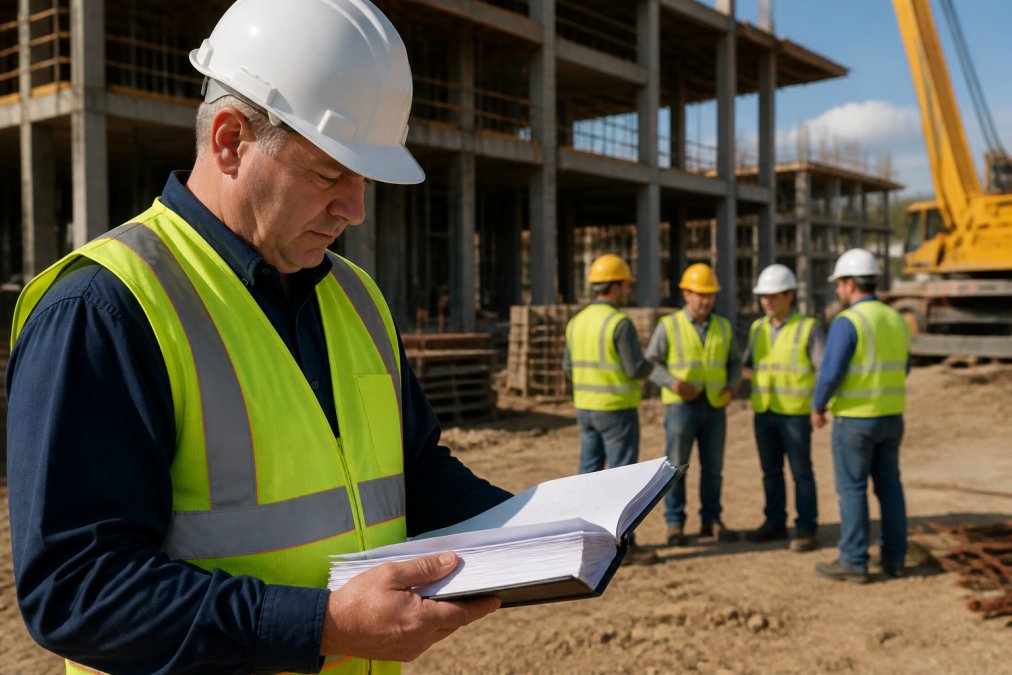
Licensing requirements vary by state and trade. Many states require contractors to be licensed, bonded, and insured. Check your state's licensing board website for specific requirements.
Job site safety reduces claims and qualifies you for insurance discounts. Implement safety protocols, require protective equipment, and train employees on hazard recognition.
Documentation is critical. Keep records of safety training, incident reports, and corrective actions. If a claim arises, this documentation supports your position and can reduce settlement amounts.
Understanding Your Policy and the Claims Process
Reading your insurance policy helps you understand what's covered and what isn't. Policies can be dense, but the key sections are the declarations page, coverage sections, and exclusions.
The declarations page lists your coverage types, policy limits, deductibles, and premium. This is the quick reference for what you're paying for. For example, it shows "General Liability: $1,000,000 per occurrence / $2,000,000 aggregate" and "Workers' Compensation: Statutory limits per your state."
Coverage sections detail what's included. For general liability, this includes bodily injury (injuries to third parties), property damage (damage to someone else's property), and legal defense costs up to your policy limits. For workers' compensation, it covers medical treatment, rehabilitation, and wage replacement for injured employees.
Exclusions list what's not covered. Common exclusions include intentional damage, work done without proper permits, violations of building codes, and injuries to employees (covered by workers' compensation instead). Some policies exclude coverage for work performed by unlicensed contractors or work that violates local regulations.
Filing a Claim: Step-by-Step Process
When an incident occurs that may result in a claim, time is critical. Here's what to expect:
Step 1: Immediate Notification (Within 24-48 hours) Contact your insurance agent or the insurer's claims hotline immediately. Most policies require prompt notice, waiting weeks to report a claim can result in coverage denial. Provide basic information: date, time, location, parties involved, and a brief description of what happened. For example, if a worker is injured, report the injury, the body part affected, and whether medical treatment was sought.
Step 2: Documentation and Evidence Gathering Collect and preserve all evidence related to the incident. For a property damage claim, take photos of the damage before any repairs begin. For a workplace injury, obtain the employee's incident report, witness statements, and medical records. For a liability claim (e.g., your work damaged a client's property), document the scope of work, the condition of the property before and after, and any communications with the property owner. Do not admit fault or apologize in writing, let the insurer handle liability determination.
Step 3: Claims Adjuster Assignment (Within 1-5 business days) The insurer assigns a claims adjuster to investigate. The adjuster contacts you, reviews your documentation, and may visit the job site. Cooperate fully and provide all requested information. The adjuster's role is to determine whether the claim is covered under your policy and to estimate the cost of the loss.
Step 4: Investigation and Coverage Determination (1-4 weeks) The adjuster investigates the incident, interviews witnesses, reviews medical records (for injury claims), and assesses whether the loss falls within your policy's coverage.
Common Construction Claim Scenarios
Scenario 1: Worker Injury An employee cuts their hand on a saw. They report the injury to you immediately. You notify your workers' compensation insurer within 24 hours. The adjuster obtains the employee's medical records and verifies the injury occurred during work. Workers' compensation covers the employee's medical treatment and a portion of lost wages. The claim is usually resolved in a timely manner, though ongoing medical treatment may extend the timeline.
Tips for Smooth Claims Resolution
Respond promptly to all adjuster requests. Delays in providing information can slow the claims process and may give the insurer grounds to deny coverage if they cannot verify the claim.
Conclusion
Commercial insurance for small construction companies is essential protection, not optional overhead. The right combination of general liability, workers' compensation, commercial property, and commercial auto insurance protects your business, your employees, and your financial future. Fadaie Insurance Services, Inc. specializes in helping construction companies find comprehensive coverage tailored to their specific needs. Our licensed advisors work with you to identify gaps in coverage, compare competitive quotes, and ensure you have the protection your business requires.
Frequently Asked Questions
What insurance does a small construction company need?
Small construction companies typically need general liability insurance to cover bodily injury and property damage claims, workers' compensation insurance to cover employee injuries, commercial property insurance for tools and equipment, and commercial auto insurance for business vehicles. Many clients also add professional liability, surety bonds, or inland marine coverage depending on their specific trade and contract requirements. A licensed insurance advisor can help you identify the right mix for your business.
How much does contractors general liability insurance cost?
Contractors general liability insurance cost varies based on your annual revenue, the types of work you perform, your claims history, coverage limits you select, and your deductible. Small construction companies may see premiums that vary depending on these factors. Rather than guessing, contact Fadaie Insurance Services for a customized quote that reflects your actual business profile and risk exposure.
How do I get a certificate of insurance for contractors?
Your insurance broker or agent generates a certificate of insurance directly from your policy information. It's a one-page document showing your policy numbers, coverage limits, and effective dates. Most contractors need to provide this to clients or project managers before starting work. Your insurance company can typically issue it within hours. Contact your agent to request one, or ask about setting up automatic renewal certificates when your policy renews.
Is general liability insurance mandatory for construction businesses?
General liability insurance is not federally mandated, but most clients, general contractors, and property owners require it before allowing you on a job site. Many construction contracts include a clause requiring proof of coverage. Additionally, if you have employees, workers' compensation insurance is required by state law. Some specialized trades may have additional regulatory requirements depending on your state and the type of work you perform.