 ultimate-guide
Getting Home Insurance in Wildfire Zones: A 2026 Guide
Table of Contents
- Understanding Fire Hazard Severity Zones and Insurance Impact
- Why Home Insurance is Hard to Find in Wildfire-Prone Areas
- California FAIR Plan Requirements and Your Coverage Options
- Home Hardening for Wildfire Protection: ROI and Implementation
- Steps to Take When Denied Coverage or Facing Non-Renewal
- How to Appeal a Non-Renewal Notice: A Step-by-Step Process
- Navigating Surplus Lines Insurance and Alternative Coverage
- Your Action Plan: Finding Coverage That Works
- Frequently Asked Questions
Last Updated: September 25, 2026
Understanding Fire Hazard Severity Zones and Insurance Impact
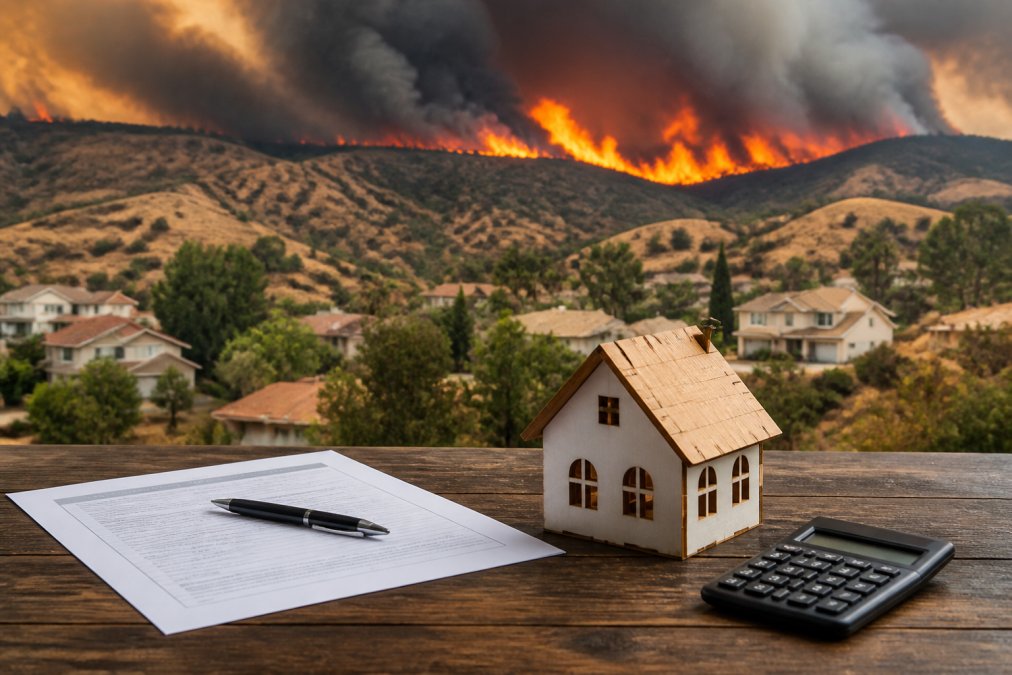
Fire hazard severity zones represent the state's classification system for properties based on their wildfire risk exposure, and understanding home insurance wildfire zones is essential for homeowners seeking coverage. These zones, Very High, High, and Moderate, determine not just your insurance eligibility but often whether insurers will even consider your application. Understanding home insurance wildfire zones is essential for homeowners seeking coverage.
The zone designation depends on factors like vegetation density, slope, distance from urban areas, and historical fire patterns. Properties in Very High Fire Hazard Severity Zones face the steepest insurance challenges. Insurers view these areas as unacceptable risk, which is why many have stopped writing new policies or renewing existing ones in these zones. Understanding where your property falls on this spectrum is the first step toward securing coverage.
Your zone classification affects not just premium rates but also which carriers will even quote you. Some admitted carriers, those licensed and regulated by the state, have completely exited high-risk zones. This forces homeowners toward the California FAIR Plan or surplus lines carriers, both of which come with trade-offs in coverage and cost.
Why Home Insurance is Hard to Find in Wildfire-Prone Areas
The insurance crisis affecting home insurance wildfire zones stems from a simple equation: claims exceed premiums. When a major fire strikes, admitted carriers face catastrophic losses. The solution for many insurers has been to stop taking on new risk in these areas entirely.
Reinsurance costs have skyrocketed as well. Insurers buy reinsurance to protect themselves against massive losses. When reinsurance becomes expensive, which it has in the wake of recent fire seasons, carriers pass those costs to policyholders or simply exit the market. Some have chosen the latter, leaving homeowners with shrinking options.
The underwriting guidelines have tightened dramatically. Carriers now require defensible space inspections, roof certifications, and ember-resistant vents before they'll even quote a policy. Properties that don't meet these standards get declined outright. This isn't arbitrary, it's based on loss data showing that homes with these protections survive fires at much higher rates than those without them.
Non-renewals have become common. Homeowners who've had coverage for years suddenly receive notices that their policies won't be renewed when they expire. This happens because carriers are actively shrinking their exposure in high-risk zones, regardless of individual claim history.
California FAIR Plan Requirements and Your Coverage Options
The FAIR Plan exists as the insurer of last resort. When you cannot obtain coverage from admitted carriers, you can apply for a policy through the California FAIR Plan. This isn't optional, if you have a mortgage, your lender requires proof of coverage, and the FAIR Plan fills that gap.
However, the FAIR Plan comes with limitations. Coverage limits are typically lower than admitted carriers offer. Deductibles tend to be higher. The plan covers dwelling and personal property but excludes certain items like jewelry or fine art. Premiums are higher than standard policies because the FAIR Plan assumes the highest-risk properties.
The application process is straightforward but requires documentation. You'll need proof of mortgage, property tax records, and evidence that you've been denied by at least three admitted carriers within the past 30 days. Some homeowners bypass this step by going directly to surplus lines carriers, which can sometimes offer better terms.
Surplus lines insurance represents another path. These carriers operate outside the standard regulatory framework, which gives them more flexibility in underwriting. They can take on higher-risk properties that admitted carriers reject. The trade-off is less regulatory protection, if a surplus lines carrier fails, you have fewer guarantees about claim payment. However, for homeowners who can't qualify for admitted carriers, surplus lines can provide more comprehensive coverage than the FAIR Plan.
Understanding your options requires knowing what each path offers. The FAIR Plan provides basic protection at higher cost. Surplus lines carriers offer more flexibility but less regulatory oversight. Admitted carriers offer the best terms but are increasingly unavailable in high-risk zones.
Home Hardening for Wildfire Protection: ROI and Implementation
Home hardening refers to specific structural modifications that reduce a home's vulnerability to wildfire. These aren't cosmetic upgrades, they're engineered improvements that address the two ways fires destroy homes: direct flame contact and ember penetration.
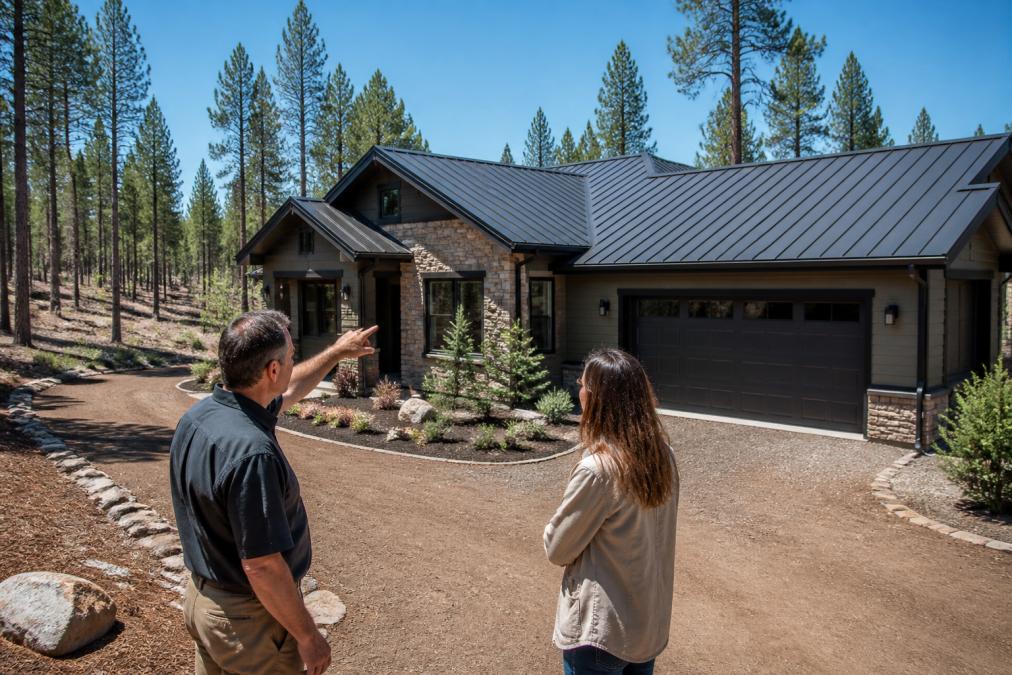
The most critical hardening measures focus on three areas: the roof, vents, and defensible space.
Steps to Take When Denied Coverage or Facing Non-Renewal
Denial or non-renewal doesn't mean you're without options. The immediate step is understanding why. Request a detailed explanation from the carrier, they're required to provide specific reasons. Common reasons include property condition issues, claims history, or simply that the carrier is exiting your zone.
How to Appeal a Non-Renewal Notice: A Step-by-Step Process
A non-renewal notice typically arrives 60 days before your policy expires. You have the right to appeal this decision, though the process varies slightly by carrier.
Navigating Surplus Lines Insurance and Alternative Coverage
Surplus lines carriers operate under different rules than admitted carriers. They're not bound by the same rate restrictions or coverage requirements. This flexibility allows them to insure properties that admitted carriers reject, but it comes with less regulatory oversight.
Your Action Plan: Finding Coverage That Works
The path to coverage in a wildfire zone requires deliberate action. Start by determining your fire hazard severity zone and understanding what it means for your property's insurability. Then assess your property's hardening status, this directly influences which carriers will consider you.
Frequently Asked Questions
What is the FAIR Plan and how does it help me get home insurance in wildfire zones?
The FAIR Plan is a state-mandated insurer of last resort that provides homeowners insurance coverage when admitted carriers deny or non-renew policies due to wildfire risk. It covers dwelling, personal property, and liability but typically costs more and offers lower coverage limits than standard policies. Eligibility requires proof of denial or non-renewal from at least one admitted carrier. Contact your state insurance commissioner's office or visit the FAIR Plan website for application details and current rates.
How do Fire Hazard Severity Zones affect my ability to get coverage?
Fire Hazard Severity Zones are mapped risk areas used by insurers to assess wildfire exposure. Homes in Very High Fire Hazard Severity Zones face the strictest underwriting guidelines and the highest premiums. Carriers may deny coverage or impose strict mitigation requirements in these zones. You can check your property's zone designation through your county assessor's office or the state fire marshal's database. Understanding your zone helps you anticipate insurer requirements and plan hardening improvements.
What is home hardening and can it really help me get insurable again?
Home hardening involves fireproofing your property through upgrades like metal roofing, ember-resistant vents, dual-pane windows, and cleared defensible space (typically 5-100 feet around the structure). These improvements reduce rebuild cost and fire risk, making your home more attractive to insurers. Many carriers offer premium discounts of 10-15% for completed hardening work. Document all improvements with photos and contractor invoices to present to insurers during application or appeal.
What happens if my homeowners insurance is non-renewed due to wildfire risk?
Non-renewal notices must follow state law, typically requiring 45-90 days notice. You have the right to appeal the decision or request underwriting review. Simultaneously, gather denial letters and apply to the FAIR Plan or explore surplus lines carriers. Review your rebuild cost estimate and complete any feasible mitigation work. Contact an independent insurance agent to explore all available options, including supplemental coverage for high-value items.
How do I appeal a non-renewal notice from my insurance company?
Request a written explanation of the non-renewal reason from your carrier. If it cites wildfire risk or hazard zone location, ask about mitigation requirements or underwriting reconsideration. File a formal appeal with the carrier's underwriting department within 30 days if applicable. If denied, file a complaint with your state insurance commissioner, who can investigate unfair practices. Document all communications and keep copies of denial letters, mitigation work, and policy history for your appeal file.
What is surplus lines insurance and when should I consider it?
Surplus lines insurance is coverage from non-admitted carriers for risks that admitted carriers have declined. It typically costs 20-40% more than standard policies but offers broader coverage and higher limits in wildfire zones. Use surplus lines only after exhausting admitted carrier options and obtaining required denials. Work with a licensed surplus lines broker who understands wildfire risk. Ensure the non-admitted carrier is financially rated by AM Best to verify claims-paying ability.
How much does homeowners insurance typically cost in wildfire-prone areas?
Premiums vary significantly based on fire hazard zone, home value, rebuild cost, mitigation improvements, and claims history. High Fire Hazard Severity Zone properties may cost 30-50% more than standard-risk homes, or face denial entirely. FAIR Plan policies typically cost 40-60% above standard market rates. Surplus lines coverage can exceed standard rates by 20-40%. Contact an independent agent for accurate quotes tailored to your specific property and risk profile.