 ultimate-guide
What Happens Without Uninsured Motorist Coverage
Table of Contents
- What Is Uninsured Motorist Coverage and Why It Matters
- The Financial Consequences of Lacking Uninsured Motorist Coverage
- How to File an Uninsured Motorist Claim
- Personal Injury Protection vs. Uninsured Motorist Coverage
- The Reality of Suing an Uninsured Driver
- Is Uninsured Motorist Coverage Worth It?
- State Requirements and Your Coverage Obligations
- Frequently Asked Questions
Last Updated: October 1, 2026
What Is Uninsured Motorist Coverage and Why It Matters
Uninsured motorist coverage protects you when hit by an uninsured driver, paying for medical expenses, lost wages, and other damages. Millions of uninsured drivers operate vehicles daily, and lacking this coverage can be financially devastating.
Without uninsured motorist coverage, you must cover medical bills, vehicle repairs, and lost income out of pocket, a gap that becomes painfully clear when facing mounting bills after an accident.
The Financial Consequences of Lacking Uninsured Motorist Coverage
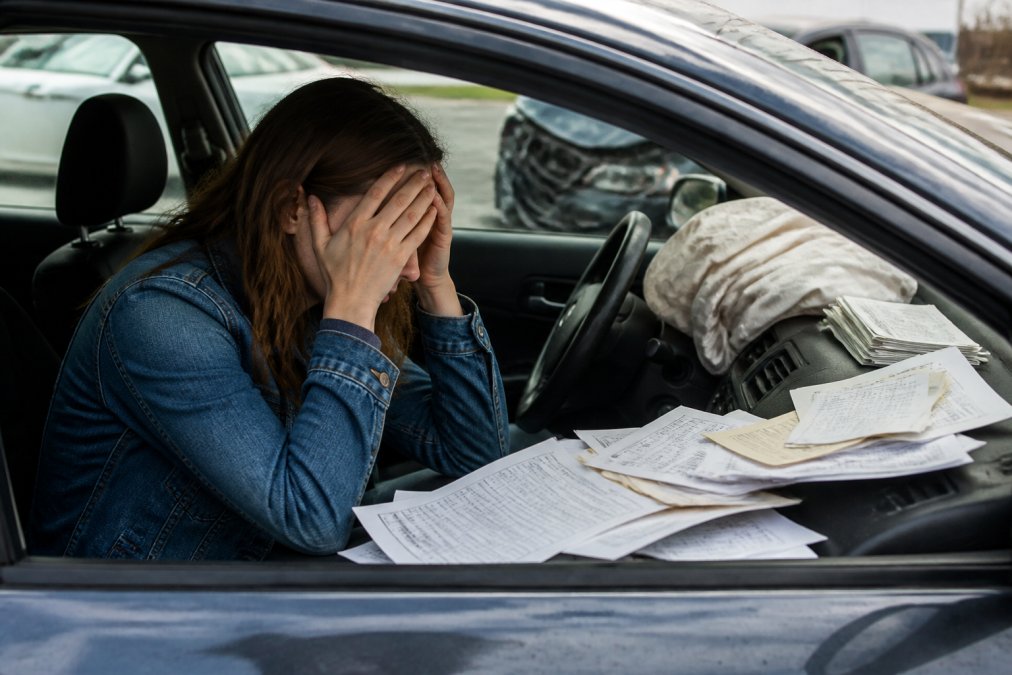
Without uninsured motorist coverage, you bear the full financial burden. Health insurance covers medical treatment but not pain and suffering, lost wages, or vehicle damage. Out-of-pocket costs accumulate quickly and can total tens of thousands of dollars.
The Immediate and Long-Term Medical Costs:
A moderate accident injury requiring hospitalization and follow-up care can exceed $50,000 in medical expenses (the CDC). Lost work income and vehicle repairs add thousands more. Many people spend years paying off these costs through installment plans or high-interest credit cards.
The Hidden Fear: Will Filing a UM Claim Raise My Insurance Rates?
Many drivers fear that filing an uninsured motorist claim will raise their premiums. This concern is unfounded: filing a UM claim should not increase your premiums because you are not at fault for the accident.
Insurance companies use "no-fault rating" for uninsured motorist claims. Since an uninsured driver caused the accident, not you, your insurer cannot penalize you with a rate increase for filing a legitimate UM claim. The accident was not your fault, and your rates should reflect that.
However, if you were partially at fault or file multiple claims within a short period, a rate increase becomes possible. A single, legitimate uninsured motorist claim where you were clearly not at fault should not result in a premium increase.
If your insurer raises rates after a legitimate uninsured motorist claim, this may violate state regulations. Most states prohibit rate increases for uninsured motorist claims where you were not at fault. File a complaint with your state's insurance commissioner if you believe you've been unfairly penalized.
The Domino Effect of Unpaid Medical Debt:
Unpaid medical bills sent to collection agencies damage your credit score for seven years, making it harder to obtain loans, mortgages, or rent an apartment.
Some accident victims resort to personal loans or credit cards, accumulating high-interest debt for years. Others declare bankruptcy, a devastating outcome preventable with modest uninsured motorist coverage.
Interaction with Your Health Insurance:
Health insurance covers medical care but includes deductibles and co-insurance. More importantly, it does not compensate you for pain and suffering, which can represent the largest portion of damages in a serious injury case.
Many health insurance plans include a "subrogation" clause, allowing the insurer to recover costs from you if you cannot collect damages from the uninsured driver. This leaves you caught between your health insurer and the uninsured driver.
Uninsured motorist coverage provides compensation for pain and suffering, lost wages, and other non-medical losses. It eliminates the need to pursue an uncollectible judgment against an uninsured driver, which would cost thousands in attorney fees.
How to File an Uninsured Motorist Claim
At the accident scene, call police and obtain an official accident report, critical evidence of the other driver's uninsured status. Exchange information with the other driver if safe, collect witness contact information, and photograph vehicle damage and the scene from multiple angles.
Contact your insurance company within 24 to 72 hours. Provide the police report number, photographs, witness statements, and medical records. Your insurer will assign a claims adjuster to investigate and determine the other driver's insurance status.
Document all expenses: keep receipts for medical treatment, pharmacy bills, and repairs. Obtain employer statements for lost wages. Compile medical records from all providers. Complete documentation strengthens your claim.
The claims adjuster may deny coverage if you were partially at fault. Legal representation can help negotiate with your insurer and ensure fair consideration.
Personal Injury Protection vs. Uninsured Motorist Coverage
Personal injury protection (PIP) and uninsured motorist coverage serve different purposes. PIP covers medical expenses and lost wages regardless of fault. Uninsured motorist coverage compensates you for damages when an uninsured driver is at fault, including pain and suffering that PIP typically doesn't cover.
PIP pays for medical treatment and wages without requiring proof of the other driver's liability. Uninsured motorist coverage only applies when an uninsured driver causes the accident and covers broader damages including pain and suffering.
Many states require both coverages because they address different gaps. PIP handles immediate medical and wage losses; uninsured motorist coverage provides compensation for longer-term impacts and pain and suffering. Understand your state's approach and your policy's terms.
The Reality of Suing an Uninsured Driver
You can sue an uninsured driver, but collecting on a judgment is difficult. If the defendant has minimal assets and no income, enforcement becomes nearly impossible.
An uninsured driver may be "judgment-proof", having no savings, home equity, or garnishable income. You could spend thousands on attorney fees to win an uncollectible judgment.
Some states allow claims against state-mandated uninsured motorist funds, but eligibility, caps, and requirements vary. The process is bureaucratic and time-consuming.
What most people get wrong about suing an uninsured driver is assuming a judgment automatically means payment. Collection requires tracking down assets, proving income, and going through wage garnishment or asset seizure processes, all of which cost more money and time. This is precisely why uninsured motorist coverage exists: it eliminates the need to pursue an uncollectible judgment and ensures you receive compensation directly from your own insurer.
Is Uninsured Motorist Coverage Worth It?
Whether uninsured motorist coverage is worth it depends on your financial situation and risk tolerance. If you have minimal savings and would struggle to pay for medical treatment and vehicle repairs out of pocket, this coverage is essential. The cost of uninsured motorist coverage is typically modest, often adding only a few dollars to your monthly premium, compared to the potential financial catastrophe of an accident without it.
Consider the math: uninsured motorist coverage might cost you $15 to $30 per month depending on your location and policy limits. An accident with an uninsured driver could cost you $50,000 or more in medical bills, lost wages, and vehicle damage. The coverage pays for itself many times over if you ever need it, and the probability of encountering an uninsured driver is real enough that the protection makes financial sense.
The one drawback is that some people view it as "wasted money" if they never use it. This thinking misses the point of insurance entirely, you buy it to protect against catastrophic financial loss, not because you expect to use it regularly. Skipping uninsured motorist coverage to save a few dollars monthly is a false economy that leaves you exposed to substantial risk.
What most guides miss is that uninsured motorist coverage also protects you in hit-and-run accidents. If a driver hits you and flees the scene without leaving information, your uninsured motorist coverage applies. These accidents are more common than many people realize, and without this coverage, you'd have no way to recover your losses.
State Requirements and Your Coverage Obligations
State laws vary significantly regarding uninsured motorist coverage, and understanding your state's specific requirements is critical because the rules differ dramatically across the country. Some states mandate uninsured motorist coverage as a required component of every auto insurance policy, while others make it entirely optional. Carrying less than your state's required minimum leaves you legally non-compliant and can result in penalties or denial of claims.
States Where Uninsured Motorist Coverage Is Mandatory:
Approximately 21 states require uninsured motorist bodily injury coverage as part of standard auto insurance policies. These include Connecticut, Delaware, Florida, Illinois, Indiana, Iowa, Kansas, Kentucky, Louisiana, Maine, Maryland, Massachusetts, Michigan, Minnesota, Mississippi, Missouri, Montana, Nebraska, New Hampshire, New Mexico, New York, North Carolina, North Dakota, Ohio, Oregon, Pennsylvania, Rhode Island, South Carolina, Tennessee, Texas, Vermont, Virginia, Washington, West Virginia, Wisconsin, and Wyoming. In these states, your insurer must include uninsured motorist coverage in your policy unless you affirmatively reject it in writing.
Mandatory states typically specify minimum coverage limits. For example, many require at least 25/50 uninsured motorist bodily injury coverage (meaning $25,000 per person injured, $50,000 per accident). Some states set higher minimums. New York requires 25/50/25, while others may require 50/100 or higher depending on the state's liability minimums. Your insurer will inform you of your state's specific minimums when you purchase a policy.
States Where Uninsured Motorist Coverage Is Optional:
The remaining states allow drivers to choose whether to purchase uninsured motorist coverage.
Understanding Your Policy's Uninsured Motorist Limits:
Stacking and Non-Stacking Provisions:
Hit-and-Run Accidents and State Variations:
Frequently Asked Questions
Is uninsured motorist coverage mandatory in every state?
No. While some states require uninsured motorist coverage, others make it optional. Many states allow drivers to decline this protection in writing, though it's available in all 50 states. Your state's financial responsibility laws determine whether you must carry it or can reject it. Contact your insurance agent or check your state's insurance commissioner's office to confirm your state's specific requirements and whether declining coverage is permitted.
How do I file an uninsured motorist claim after an accident?
First, document the accident thoroughly: gather the other driver's information, take photos, and file a police report. Report the incident to your insurance company as soon as possible and provide all documentation. Your insurer will assign an adjuster to investigate whether the other driver was truly uninsured. You'll need medical records, repair estimates, and proof of lost wages. Your insurer may require you to pursue the at-fault driver's assets before paying your claim, depending on your policy terms and state law.
Can I sue an uninsured driver for damages if I have uninsured motorist coverage?
Yes, you can sue an uninsured driver, but collecting a judgment is often difficult. Even if you win in court, the driver may lack assets or income to pay you. Many uninsured drivers are judgment-proof, meaning they have minimal wages or property to seize. This is why uninsured motorist coverage exists: it protects you from the financial reality that suing may not recover your losses. Your insurance company may pursue subrogation (recovering what they paid from the at-fault driver's assets), but this process is slow and uncertain.
Will filing an uninsured motorist claim increase my insurance premiums?
Filing an uninsured motorist claim typically does not increase your premiums because you are not at fault. Insurance companies view these claims differently than at-fault accidents. However, your rates may rise if you file multiple claims in a short period, or if the claim reveals other risk factors. Some insurers offer accident forgiveness programs that prevent rate increases for your first claim. Review your policy details or ask your agent about how a claim might affect your specific premium.