 listicle
Is Renters Insurance Worth It for Pet Damage?
Table of Contents
- What Is Renters Insurance and Does It Cover Pet Damage?
- Renters Insurance Pet Liability Coverage Explained
- Does Renters Insurance Cover Carpet Damage From Pets?
- Common Pet-Related Exclusions and Coverage Gaps
- How to Avoid Losing Your Security Deposit Due to Pet Damage
- The Real Cost-Benefit: Is Pet Liability Coverage Worth It?
- Getting the Right Pet Protection for Your Rental
- Frequently Asked Questions
Last Updated: September 27, 2026
What Is Renters Insurance and Does It Cover Pet Damage?
Renters insurance provides personal liability coverage and protects your belongings inside a rental unit. Whether renters insurance pet damage is covered depends on the type of damage and your policy details.
Most standard renters insurance policies cover liability when your pet injures someone or damages their property, for example, medical expenses if your dog bites a visitor. However, damage your pet causes to the rental unit itself (scratched floors, chewed door frames, stained carpets) usually falls into a coverage gap.
This distinction matters because landlords care about property damage, and you care about your security deposit. Understanding what renters insurance actually covers prevents expensive surprises when you move out.
The core issue: standard renters insurance focuses on third-party liability (injuries to others) rather than your own rental property damage. This is where pet owners often discover their coverage is incomplete.
Renters Insurance Pet Liability Coverage Explained
Pet liability coverage protects you when your pet causes bodily injury or property damage to someone else, paying for medical bills, legal defense, and settlement costs.
For example, if a visitor is injured by your pet or your dog damages a neighbor's property, your liability coverage pays their medical bills and repair costs.
Most renters insurance policies include pet liability as standard, with coverage limits typically ranging from $100,000 to $300,000. You can often increase this limit by adding an endorsement.
Pet liability coverage does NOT cover damage your pet causes to the apartment itself, scratches on hardwood floors, holes in drywall, urine stains on carpet. These are your responsibility as the tenant, classified as tenant-caused damage, not third-party liability.
Liberty Mutual's guide to pet liability insurance explains that renters should understand the difference between what their policy covers and what they'll owe directly to the landlord.
Does Renters Insurance Cover Carpet Damage From Pets?
No. Renters insurance does not cover carpet damage caused by your pet under standard policies. This is one of the most common misconceptions among pet owners, and it's where the gap between coverage and reality becomes painfully clear.
Why Carpet Damage Is Not Covered
Carpet damage from pets, stains, odors, worn patches, or permanent discoloration, is classified as tenant-caused damage, not an insurable loss. Renters insurance protects you against liability claims and covers your personal belongings, not the landlord's building materials.
Insurers view carpet damage as foreseeable and preventable, you should have taken precautions like enzymatic cleaners or protective mats. The same logic applies to scratched hardwood floors, gouged baseboards, damaged blinds, and holes in walls. These are all your responsibility as the tenant, not insurable events.
What This Means Practically
If your dog has an accident on the carpet, your cat scratches the door frame, or your pet's urine seeps into the subfloor, you're paying for repairs out of pocket. Renters insurance won't cover these because no third party is involved and the damage is to the landlord's property.
When you move out, your landlord can deduct carpet damage from your security deposit. Typical carpet replacement costs range from $3 to $10 per square foot. For a 600-square-foot apartment, replacement could cost $1,800 to $6,000, and renters insurance provides no protection against this deduction.
Pet Damage Riders: Cost vs. Coverage
Some renters purchase pet damage riders, add-ons that cover pet-caused damage to the rental unit. However, not all insurers offer these, and they often come with restrictions and high deductibles.
A typical pet damage rider costs $10 to $25 per month ($120 to $300 per year) and provides:
- Coverage limit of $2,500 to $5,000 for pet-caused damage to the rental unit
- Deductible of $500 to $1,000 before the rider pays anything
- Exclusions for certain damage types, such as urine stains or feces
Example: Your dog damages the carpet, and replacement costs $8,000. With a $5,000 rider limit and $1,000 deductible, the rider pays $4,000, leaving you responsible for $4,000. If you've paid $180 per year for the rider, you've spent money for partial protection that doesn't cover the full cost.
Cost-Benefit Analysis: Is a Pet Damage Rider Worth It?
A rider makes sense if you have a young, energetic dog or multiple pets and plan to rent long-term (three years or more). If you have a well-trained, older pet or are renting short-term, setting aside $20 to $25 per month in a pet damage fund is more cost-effective than paying $120 to $300 annually for a rider with limited coverage.
Alternatives to Pet Damage Riders
-
Pet damage fund: Set aside $25 to $50 per month in a dedicated savings account for unexpected pet damage. This is often cheaper than a rider premium.
-
Landlord negotiation: Some landlords accept a separate pet deposit in addition to your regular security deposit, protecting your primary deposit from pet-related deductions.
-
Preventive measures: Invest in protective flooring, enzymatic cleaners, and professional carpet cleaning every six months to reduce damage likelihood.
-
Specialized pet insurance: Some pet insurance policies include damage coverage, though they're primarily designed for veterinary expenses.
Common Pet-Related Exclusions and Coverage Gaps
Understanding what your renters insurance explicitly excludes is essential before signing a lease with a pet. Most policies contain specific pet-related exclusions that create coverage gaps.
Breed-Specific Exclusions
Many carriers exclude certain dog breeds (pit bulls, rottweilers, chow chows, akitas, dalmatians) entirely from liability coverage. If your dog is on the restricted list, you have no liability protection. For example, if your restricted-breed dog bites a visitor and they sue for $75,000, your renters insurance will deny the claim entirely, leaving you personally liable. Always disclose your pet's breed when obtaining a quote, as non-disclosure can result in claim denial and policy cancellation.
Water Damage Caused by Pets
Water damage caused by pets is a common exclusion. If your dog knocks over a water bowl or has accidents that seep into flooring, the resulting damage may not be covered. Insurers classify this as negligence (failing to prevent the water source) rather than a covered event like a burst pipe. If water damage spreads to a neighbor's unit below and causes $15,000 in damage, your liability coverage may refuse to pay.
Damage to the Rental Unit Itself
Standard renters insurance explicitly excludes renters insurance pet damage to the apartment itself, scratched hardwood floors, holes in drywall, destroyed blinds, damaged door frames, and carpet stains. This is the largest coverage gap for pet owners. If your dog scratches the hardwood floors and the landlord demands $4,000 for refinishing, your renters insurance will not cover it. Pet damage riders can fill this gap but come with limitations: a typical rider covers up to $5,000 with a $1,000 deductible, and many exclude urine or feces stains. Property owners often manage these financial risks through landlord insurance policies, which provide a different scope of protection for those assessing the long-term viability of their rental investments.
Behavioral and Negligence Exclusions
Some policies classify pet escapes or damage caused by the pet's behavior as negligence on your part rather than a covered loss.
Exotic Pets and Unusual Animals
How to Identify Exclusions in Your Policy
How to Avoid Losing Your Security Deposit Due to Pet Damage
Your security deposit is vulnerable to pet damage deductions, and preventing these losses requires proactive documentation and strategic decisions before and during your tenancy.
The Real Cost-Benefit: Is Pet Liability Coverage Worth It?
Pet liability coverage is worth having because the financial exposure is real. A single dog bite can result in medical bills exceeding $50,000, plus legal defense costs. Liability coverage protects you from catastrophic financial loss.
Getting the Right Pet Protection for Your Rental
Securing adequate protection as a pet-owning renter requires a multi-layered approach that combines renters insurance, additional endorsements, and proactive landlord communication.
Frequently Asked Questions
Does renters insurance cover damage caused by my own pet to the apartment?
Standard renters insurance does not cover damage your own pet causes to the rental unit itself, such as scratched flooring, damaged walls, or torn carpeting. Liability coverage protects you if your pet injures someone or damages a third party's property. Damage to the apartment you're renting is typically the landlord's responsibility to address through your security deposit or their own property insurance.
What is the difference between pet liability coverage and pet property damage coverage?
Pet liability coverage protects you financially if your pet injures someone or damages their property, covering medical expenses and legal fees. Pet property damage coverage, when available as an endorsement, specifically covers damage your pet causes to the rental unit itself. Most renters insurance policies include liability but exclude property damage caused by pets, creating a significant coverage gap for pet owners.
How can I protect my security deposit from pet damage claims?
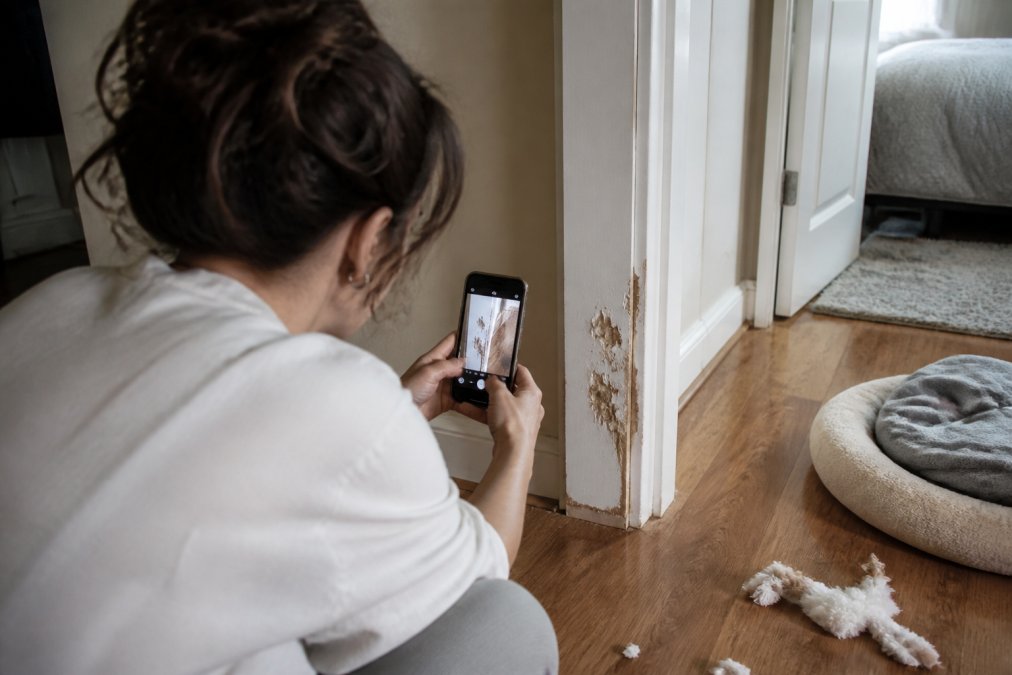
Document the apartment's condition before moving in with photos and a detailed walkthrough report. Keep receipts for pet-related repairs you make during tenancy. Take photos of any pet damage immediately and report it to your landlord in writing. Maintain the apartment well and address damage promptly. Consider renters insurance for liability protection and ask your landlord about pet damage waivers in your lease, which may limit deductions from your deposit.
Are certain dog breeds excluded from renters insurance?
Many standard renters insurance policies exclude or restrict coverage for breeds considered higher-risk, such as pit bulls, rottweilers, and German shepherds. Some insurers charge higher premiums for these breeds. Specialized pet liability insurers like XINSURANCE offer customized coverage for restricted breeds, though premiums may be higher than standard renters insurance.
Protecting your financial legacy as a pet-owning renter means understanding what renters insurance actually covers and planning for what it doesn't. Renters insurance with pet liability coverage handles third-party claims effectively. Preventing security deposit losses requires documentation, maintenance, and direct communication with your landlord. The combination of these strategies, supported by the right insurance guidance, keeps your deposit safe and your pet protected.